Basis of Medical Knowledge
A Body of Knowledge
To learn Lanna and Thai Traditional Medicine, one must have three things:
a body of knowledge
oral transmission and explanation
experienced practitioners
A body of knowledge could exist in a physical book or manuscript, but could also be an oral text. This information has been developed, tested and proven over time through a lineage of traditional practitioners. The body of knowledge alone does not provide enough information to develop medical knowledge and practice medicine.
Experienced Practitioners
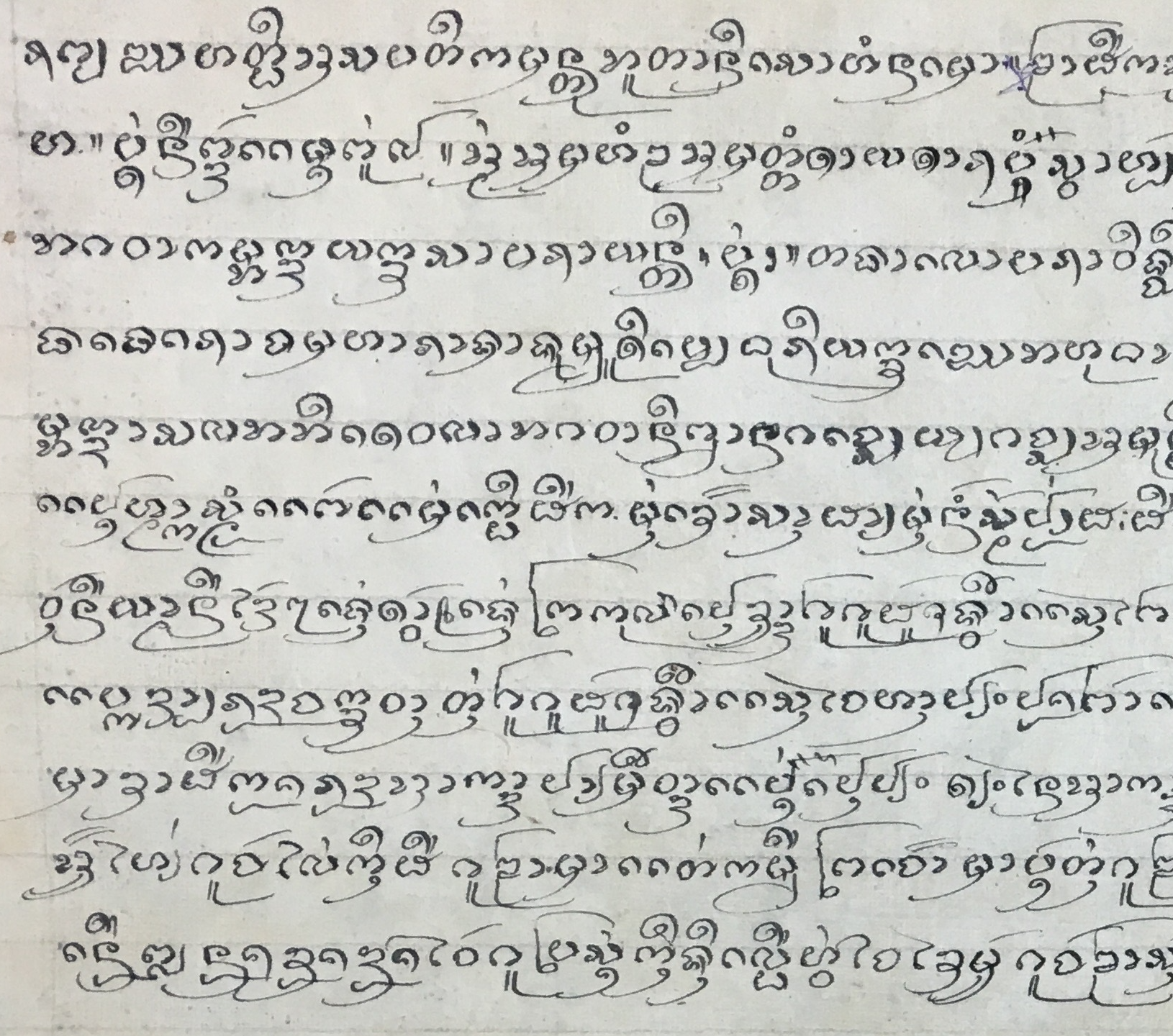
Without an experienced teacher to provide explanation, texts can easily be misunderstood or seem incomplete. A teacher with sufficient experience as a practitioner is vital to developing medical knowledge, for that person has taken theoretical concepts into practical application and seen the results with a variety of patients. An experienced practitioner is considered to be someone who:
has received transmission of knowledge from a qualified teacher
has studied the body of knowledge or the texts
has practiced under the guidance of an experienced teacher for a period of time before beginning an individual practice

The Six Elements
Here, we present the basic information for the elements of Lanna and Thai Traditional Medicine, as found in the Dhātuvibhaṅga Sutta.
-
“What, bhikkhu, is the earth element? The earth element may be either internal or external. What is the internal earth element? Whatever internally, belonging to oneself, is solid, solidified, and grasped as self, that is, head-hairs, body-hairs, nails, teeth, skin, flesh, sinews, bones, bone-marrow, kidneys, heart, liver, fascia, spleen, lungs, intestines, mesentery, the stomach and its contents, feces, or whatever else internally, belonging to oneself, is solid, solidified, and grasped as self: this is called the internal earth element. Now both the internal earth element and the external earth element are simply earth element. And that should be seen as it actually is with proper wisdom thus: ‘This is not mine, this I am not, this is not my self.’ When one sees it thus as it actually is with proper wisdom, one becomes disenchanted with the earth element and makes the mind dispassionate towards the earth element.” —Dhātuvibhaṅga Sutta
Experience: solidity
Function: resistance and support
Qualities: hard, stable, heavy
Temperature: mild
Parts of the body:
hair on the head เกสา
hair on the body โลมา
nails นขา
teeth ทนฺตา
skin ตโจ
muscle มํสํ
tendons, ligaments, blood vessels & nerves นหารู
bone อฏฺฐิ
bone marrow อฏฺฐิมิณฺชํ
kidneys วกฺกํ
heart หทยํ
liver, pancreas ยกนํ
fascia (diaphragm, pleura) กิโลมกํ
spleen ปิหกํ
ungs ปปฺผาสํ
large intestine อนฺตํ
small intestine อนฺตคุณํ
stomach, new food, chyme อุทริยํ
digested food, feces กรีสํ
skull brain & central nervous system มตฺถเก มตฺถลุงฺคํ
-
“What, bhikkhu, is the water element? The water element may be either internal or external. What is the internal water element? Whatever internally, belonging to oneself, is water, watery, and grasped as self, that is, bile, phlegm, pus, blood, sweat, fat, tears, grease, spittle, snot, oil-of-the-joints, urine, or whatever else internally, belonging to oneself, is water, watery, and grasped as self: this is called the internal water element. Now both the internal water element and the external water element are simply water element. And that should be seen as it actually is with proper wisdom thus: ‘This is not mine, this I am not, this is not my self.’ When one sees it thus as it actually is with proper wisdom, one becomes disenchanted with the water element and makes the mind dispassionate towards the water element.” —Dhātuvibhaṅga Sutta
Experience: aqueous-ness
Function: cohesion & fluidity
Qualities: moist, fluid, soft
Temperature: cold
Parts of the body:
bile ปิตฺตํ
mucus / phlegm เสมฺหํ
pus / lymph ปุพฺโพ
blood โลหิตํ
sweat เสโท
fat เมโท
tears อัสฺสุ
oil วสา
saliva เขโฬ
snot (mucus in the nose & the throat) สิงฺฆานิกา
synovial fluid ลสิกา
urine มุตฺตํ
-
“What, bhikkhu, is the fire element? The fire element may be either internal or external. What is the internal fire element? Whatever internally, belonging to oneself, is fire, fiery, and grasped as self, that is, that by which one is warmed, ages, and is consumed, and that by which what is eaten, drunk, consumed, and tasted gets completely digested, or whatever else internally, belonging to oneself, is fire, fiery, and grasped as self: this is called the internal fire element. Now both the internal fire element and the external fire element are simply fire element. And that should be seen as it actually is with proper wisdom thus: ‘This is not mine, this I am not, this is not my self.’ When one sees it thus as it actually is with proper wisdom, one becomes disenchanted with the fire element and makes the mind dispassionate towards the fire element.” —Dhātuvibhaṅga Sutta
Experience: heat
Function: transformation & ripening
Qualities: bright, reactive, sharp
Temperature: hot
Parts of the body:
fire which warms the body สนฺตาปคฺคี
fire which causes aging and decay ชิรณคฺคี
fire which causes fever ปริฑยฺหคฺคี
fire which digests ปริณามคฺคี
-
“What, bhikkhu, is the air element? The air element may be either internal or external. What is the internal air element? Whatever internally, belonging to oneself, is air, airy, and grasped as self, that is, up-going winds, down-going winds, winds in the belly, winds in the bowels, winds that course through the limbs, in-breath and out-breath, or whatever else internally, belonging to oneself, is air, airy, and grasped as self: this is called the internal air element. Now both the internal air element and the external air element are simply air element. And that should be seen as it actually is with proper wisdom thus: ‘This is not mine, this I am not, this is not my self.’ When one sees it thus as it actually is with proper wisdom, one becomes disenchanted with the air element and makes the mind dispassionate towards the air element.” —Dhātuvibhaṅga Sutta
Experience: movement
Function: growth & vibration
Qualities: light, mobile, dry
Temperature: cool
Parts of the Body:
wind which moves from feet to head / wind which moves from abdomen to head อุทฺธํคมวาต
wind which moves from head to feet / wind which moves from head to abdomen อโธคมวาต
wind which is inside the abdomen but outside of the digestive tract กุจฺฉิสยาวาต
wind which is inside the digestive tract โกฏฺฐาสยาวาต
wind which circulates to all parts of the body including the extremities องฺคานูสารีวาต
wind which is inhaled & exhaled อสฺสาส ปสฺสาส
-
“What, bhikkhu, is the space element? The space element may be either internal or external. What is the internal space element? Whatever internally, belonging to oneself, is space, spatial, and grasped as self, that is, the holes of the ears, the nostrils, the door of the mouth, and that aperture whereby what is eaten, drunk, consumed, and tasted gets swallowed, and where it collects, and whereby it is excreted from below, or whatever else internally, belonging to oneself, is space, spatial, and grasped as self: this is called the internal space element. Now both the internal space element and the external space element are simply space element. And that should be seen as it actually is with proper wisdom thus: ‘This is not mine, this I am not, this is not my self.’ When one sees it thus as it actually is with proper wisdom, one becomes disenchanted with the space element and makes the mind dispassionate towards the space element.” —Dhātuvibhaṅga Sutta
Experience: un-obstructedness
Function: non-resistance & field of activity for other elements
Qualities: expansive, subtle
Temperature: no temperature association
Parts of the body:
1-2. eyes ตา
3-4. ears หู
5-6. nose จมูก
7. mouth ปาก
8. anus ทวารหนัก
9. urethra ทวารเบา
10. vagina ช่องคลอด
-
“Then there remains only consciousness, purified and bright. What does one cognize with that consciousness? One cognizes: ‘This is pleasant’; one cognizes: ‘This is painful’; one cognizes: ‘This is neither-painful-nor-pleasant.’ In dependence on a contact to be experienced as pleasant there arises a pleasant sensation. When one experiences a pleasant sensation, one understands: ‘I experience a pleasant sensation.’ One understands: ‘With the cessation of that same contact to be experienced as pleasant, its corresponding sensation—the pleasant sensation that arose in dependence on that contact to be experienced as pleasant—ceases and subsides.’ In dependence on a contact to be experienced as painful there arises a painful sensation. When one experiences a painful sensation, one understands: ‘I experience a painful sensation.’ One understands: ‘With the cessation of that same contact to be experienced as painful, its corresponding sensation—the painful sensation that arose in dependence on that contact to be experienced as painful—ceases and subsides.’ In dependence on a contact to be experienced as neither-painful-nor-pleasant there arises a neither-painful-nor-pleasant sensation. When one experiences a neither-painful-nor-pleasant sensation, one understands: ‘I experience a neither-painful-nor-pleasant sensation.’ One understands: ‘With the cessation of that same contact to be experienced as neither-painful-nor-pleasant, its corresponding sensation—the neither-painful-nor-pleasant sensation that arose in dependence on that contact to be felt as neither-painful-nor-pleasant—ceases and subsides.’ Bhikkhu, just as from the contact and friction of two fire-sticks heat is generated and fire is produced, and with the separation and disjunction of those two fire-sticks the corresponding heat ceases and subsides; so too, in dependence on a contact to be experienced as pleasant there arises a pleasant sensation. When one experiences a pleasant sensation, one understands: ‘I experience a pleasant sensation.’ One understands: ‘With the cessation of that same contact to be experienced as pleasant, its corresponding sensation—the pleasant sensation that arose in dependence on that contact to be experienced as pleasant—ceases and subsides.’ In dependence on a contact to be experienced as painful there arises a painful sensation. When one experiences a painful sensation, one understands: ‘I experience a painful sensation.’ One understands: ‘With the cessation of that same contact to be experienced as painful, its corresponding sensation—the painful sensation that arose in dependence on that contact to be experienced as painful—ceases and subsides.’ In dependence on a contact to be experienced as neither-painful-nor-pleasant there arises a neither-painful-nor-pleasant sensation. When one experiences a neither-painful-nor-pleasant sensation, one understands: ‘I experience a neither-painful-nor-pleasant sensation.’ One understands: ‘With the cessation of that same contact to be experienced as neither-painful-nor-pleasant, its corresponding sensation—the neither-painful-nor-pleasant sensation that arose in dependence on that contact to be felt as neither-painful-nor-pleasant—ceases and subsides.’” —Dhātuvibhaṅga Sutta
The Four Types of Disease-Causing Factors พระคัมภีร์สมุฏฐานวินิจฉัย
-
1. Fire Element (เตโชธาตุ)
The 4 components of Fire in 3 aspects:
พัทธะปิตตะ - bound bile
อพัทธะปิตตะ - unbound bile
กําเดา - body heat
2. Wind Element (วาโยธาตุ)The 6 components of Wind in 3 aspects:
หทัยวาตะ - heart wind
สัตถะกะวาตะ - knife-like wind
สุมะนาวาตะ - central channel wind
3. Water Element (อาโปธาตุ)The 12 components of Water in 3 aspects:
สอเสมหะ - mucus in the neck
อุระเสมหะ - mucus in the chest
คูธเสมหะ - mucus in the anus
4. Earth Element (ปถวีธาตุ)
The 20 components of Earth in 3 aspects:
หทัย - heart
อุทริยะ - stomach and contents
กรีศ - solid waste
Stages of distortion:
ชาติ - beginning/accumulating
จะละนะ - continuing/progressing
ภินนะ - complete distortion/deranged
-
Three Seasons (4 months each = 1 year)
คิมหันตะ - Hot Season: ปิตตะสมุฏฐาน - bile causative factor
วัสสานะ - Rainy Season: วาตะสมุฏฐาน - wind causative factor
เหมันตะ - Cold Season: เสมหะสมุฏฐาน - mucus causative factor
Six Seasons (2 months each = 1 year)
The Six Seasons are divisions of the Three Seasons.
คิมหันตะ - hot: ปิตตะระคนเสมหะ - bile mixed secondarily with mucus
วสันตะ : ปิตตะระคนวาตะ - bile mixed secondarily with wind
วัสสานะ - rainy: วาตะระคนปิตตะ - wind mixed secondarily with bile
สะระทะ : วาตะระคนเสมหะ - wind mixed secondarily with mucus
เหมันตะ - cold: เสมหะระคนวาตะ - mucus mixed secondarily with wind
ศิศิระ : เสมหะระคนปิตตะ - mucus mixed secondarily with bile
-
ปฐมไวย - Early Age - years 0-16
Age of mucus
อายุเสมหะMucus has power for 12 days
เสมหะกำลัง ๑๒ องษาIf illness occurs during the age of mucus, mucus is affected first, wind is affected last.
ถ้าบุคคลผู้ใดไข้ลง อายุตกอยู่ในระหว่างเสมหะสมุฏฐาน ให้ตั้งเสมหะเปนอาทิ วาตะเปนที่สุด
มัชฌิมไวย - Middle Age - years 16-30
age of bile
อายุปิตตะbile has power for 7 days
ปิตตะกำลัง ๗ องษาIf illness occurs during the age of bile, bile is affected first, mucus is affected last.
ถ้าบุคคลผู้ใดไข้ลง อายุตกอยู่ในระหว่างปิตตะสมุฏฐาน ให้ตั้งปิตตะเปนอาทิ เสมหะเปนที่สุด
ปัจฉิมไวย - Old Age - 30 + years
age of wind
อายุวาตะwind has power for 10 days
วาตะกำลัง ๑๐ องษาIf illness occurs during the age of wind, wind is affected first, bile is affected last.
ถ้าบุคคลผู้ใดไข้ลง อายุตกอยู่ในระหว่างวาตะสมุฏฐาน ให้ตั้งวาตะเปนอาทิ ปิตตะเปนที่สุด
[คัมภีร์สมุฏฐานวินิจฉัย หน้า ๔๓๕-๔๓๘ แพทย์ศาสตร์สงเคราะห์]
-
ย่ำรุ่งแล้วไปจนถึง ๔ โมง — from dawn until the 4th hour
[6 am - 10 am] [morning]mucus เปนพนักงานแห่งเสมหะพิกัตกระทำ
๕ โมง ไปจนถึงบ่าย ๒ โมง — from the 5th hour until 2 hours after noon
[10 am - 2 pm] [mid-day]bile เปนพนักงานแห่งปิตตะพิกัตกระทำ
บ่าย ๓ โมงไปจนถึงย่ำค่ำ — from 3 hours after noon until dusk
[2 pm - 6 pm] [afternoon]wind เปนพนักงานแห่งวาตะพิกัตกระทำ
6 pm- 10pm [night]
mucus
10 pm - 2am [midnight]
bile
2 am - 6am [early morning]
wind
[คัมภีร์สมุฏฐานวินิจฉัย หน้า ๔๓๘ แพทย์ศาสตร์สงเคราะห์]
mucus is excited เสมหะ กำเรบ
In the morning ในกาลเมื่อเช้า
When consuming food เมื่อบริโภคอาหารแล้ว
At dusk เมื่อพลบคำ่
bile is excited ปิตตะ กำเรบ
Midday ในกาลเมื่อตวันเที่ยง
During digestion เมื่ออาหารยังไป่บมิย่อยยับ
Midnight เมื่อเที่ยงคืน
wind is excited วาตะ กำเรบ
In the afternoon ในกาลเมื่อตวันบ่าย
When food is already digested เมื่ออาหารย่อยยับแล้ว
During the time of sleep เมื่อนอนหลับ
Single Offense Causative Factor - Beginning/accumulating สมุฏฐานชาติเอกโทษ
Double Offense Causative Factor - Manifesting/Continuing/progressing จะละนะสมุฏฐานทุวันโทษ
Triple Offense Causative Factor - Complete ภินนะสมุฏฐานตรีโทษ
[คัมภีร์สมุฏฐานวินิจฉัย หน้า ๔๓๘ แพทย์ศาสตร์สงเคราะห์]
ราษี Solar Path Around the Zodiac
Fire — ราษีเตโช
Aries — ราษีเมษ
fire excited, combined with bound bile as the cause
เตโชสมุฏฐานกำเริบพัทธะปิตตะระคนให้เปนเหตุLeo — ราษีสิงห์
fire depleted, combined with unbound bile as the cause
เตโชเจ้าสมุฏฐานหย่อนอพัทธะปติตะรคนให้เปนเหตุSagittarius — ราษีธนู
fire deranged, combined with body heat as the cause
เตโชเจ้าสมุฏฐานพิการกำเดาระคนให้เปนเหตุ
Earth — ราษีปถวี
Taurus — ราษีพฤศภ
earth excited, combined with heart [substances] as the cause
ปถวีเจ้าสมุฏฐานกำเริบหทัย[วัตถุ]ระคนให้เปนเหตุVirgo — ราษีกันย์
earth depleted, combined with stomach and contents as the cause
ปถวีเจ้าสมุฏฐานหย่อนอุทริยะระคนให้เปนเหตุCapricorn — ราษีมังกร
earth deranged, combined with solid waste as the cause
ปถวีเจ้าสมุฏฐาพิการกรีศระคนให้เปนเหตุ
Wind — ราษีวาโย
Gemini — ราษีเมถุน
wind excited, combined with heart wind as the cause
วาโยเจ้าสมุฏฐานกำเริบหทัยวาตะระคนให้เปนเหตุLibra — ราษีตุล
wind depleted, combined with knife-like wind as the cause
วาโยเจ้าสมุฏฐานหย่อน สัตถะกะ[วาตะ]ระคนให้เปนเหตุAquarius — ราษีกุมภ์
wind deranged, combined with central channel wind as the cause
วาโยสมุฏฐานพิการ สุมะนา[วาตะ]ระคนให้เปนเหตุ
-
In accordance with the Four Types of Disease-Causing Factors:
Food and Drink
Posture
Extremes in Temperature- Seasonal and Regional Changes
Sleep
Natural Urges
Physical Exertion, Work and Exercise
Emotional Extremes
Six Medicinal Tastes
Gambhīra Varayogasāra / คัมภีร์วรโยคสาร
Sweet is used in the beginning, salty and sour are used in the middle and the rest of the tastes are used according to the patient’s needs in the end.
รสทั้งหลายนี้กระทำให้วิปริตต่างๆ แพทย์ผู้ฉลาดพึงประกอบรสหวานเปนปฐมแล้วจึงประกอบรสเค็ม เปรี้ยวเปนท่ามกลางในที่สุดนั้นพึงประกอบรสทั้งปวง ตามใจคนไข้ที่เสพชอบนั้นเถิด
[คัมภีร์วรโยคสาร ๒๑]
-
affinity for the eyes, promotes rasa of the elements
อันว่ารสหวานชอบกับตาให้เจริญรสธาตุ
[คัมภีร์วรโยคสาร ๒๑]
-
causes wind, bile and mucus to conform to their natural order, promotes rasa of āhāra, produces saliva, nourishes the fire element, causes all things which are raw to become ripe, sometimes it is beneficial and other times it is non-beneficial.
รสเปรี้ยวนั้นทำให้ลม, ดี, เสลด, อนุโลมตามซึ่งตนให้เจริญรสอาหาร ให้เกิดเขฬะบำรุงไฟธาตุ กระทำสาระพัดในการที่ดิบให้สุกขึ้น บางทีเปนคุณ บางทีเปนโทษ
[คัมภีร์วรโยคสาร ๒๑]
-
burns dosas, promotes fire element, burns saliva
รสเค็มนั้นเผาโทษให้เจริญไฟธาตุเผาเขฬะ
[คัมภีร์วรโยคสาร ๒๑]
-
reduces vigor, alleviates indolence, mitigates poison preventing the promotion of the fire element, causes āhāra to ripen
รสเผ็ดนั้นกระทำให้กำลังน้อย ระงับความเกียจคร้าน ระงับพิศม์มิให้เจริญไฟธาตุให้อาหารสุก
[คัมภีร์วรโยคสาร ๒๑]
-
promotes the fire element, treats heat, treats dehydration, it purifies the waste products, it cleans the mouth so one can experience the flavor of food
รสขมนั้นให้เจริญไฟธาตุ แก้ร้อน แก้กระหายน้ำ กระทำซึ่งมลทินคือ มูตร์แลคูธเปนต้นให้บริสุทธิ์ ชำระปากให้รู้รสอาหาร
[คัมภีร์วรโยคสาร ๒๑]
-
promotes the fire element, treats dehydration, promotes skin and tissue
รสฝาดนั้นให้เจริญไฟธาตุแก้กระหายน้ำ ให้เจริญผิวแลเนื้อ
[คัมภีร์วรโยคสาร ๒๑]
-
Bitter, Pungent, Astringent รสเผ็ด, ขม, ฝาด — excite or aggravate wind ให้ลมกำเริบ
Pungent, Salty, Sour รสเผ็ด, เปรี้ยว, เค็ม — excite or aggravate bile ให้ดีกำเริบ
Sweet, Sour, Salty รสหวาน, เปรี้ยว, เค็ม — excite or aggravate mucus ให้เสลดกำเริบเสมหะ
[คัมภีร์วรโยคสาร ๒๑]
Sen and Lom Definitions
-
n. an object that has the characteristics of a (สาย) wire, rope, pathway, (แถว) line, column, or (แนว) strip, crease, row that isn’t limited in length; e.g. a strand of hair, a strand of fur, a blood vessel
(๑) น. สิ่งที่มีลักษณะเป็นสาย แถว แนว ที่ไม่จำกัดความยาว เช่น เส้นผม เส้นขน เส้นโลหิตn. (เส้นเลือด) blood vessels, (เส้นเอ็น sinews, ligaments, tendons and (เส้นประสาท nerves
(๒) น. เส้นเลือด เส้นเอ็น และเส้นประสาทn. a (รอย) mark along the earth’s surface that forms a (แนว) line; e.g. the horizon
(๓) น. รอยที่ปรากฏเป็นทางบนพื้นเป็นแนว เช่น เส้นขอบฟ้าn. a method of measurement: 20 wa equals 1 sen
(๔) น. ชื่อมาตราวัด ๒๐ วา เป็น ๑ เส้น(mathematics) n. an object that has length, and not width or thickness
(๕) (คณิต) สิ่งซึ่งมีแต่ความยาว ไม่มีความกว้างและความหนา.
Sen According to Gambhīra Roganidāna
เอ็นเมื่อพิการ ส่วนว่าเส้นประธาน ๑๐ เส้น มีบริวาร ๒๗๐๐ เส้นนั้น ก็หวาดไหวไปสิ้นทั้งนั้น ที่กล้าก็กล้า ที่แข็งก็แข็ง ที่ตั้งดานก็ตั้งดาน ที่ขอดก็ขอดเข้าเปนก้อนเปนเถาไป เปนเหตุแต่จะให้โทษนัก แต่เส้นอันชื่อว่าสุมะนากับเส้นอำมะพฤกษ์นั้น ทำเหตุแต่จะให้ระส่ำระสาย ให้ร้อนให้เย็นให้เมื่อยให้เสียวไปทุกเส้นเอ็นทั้งตัว ตั้งแต่ที่สุดบาทาตลอดขึ้นไปถึงสีสะ ทำทางที่จะให้เจ็บเปนเวลา แต่เส้นอำมะพฤกษ์สิ่งเดียวนั้นให้โทษถึง ๑๑ ประการ ถ้าพร้อมทั้ง ๒๗๐๐ เส้นแล้วก็ตายแล ถ้าเปนแต่ ๒ เส้น ๓ เส้น ๔ เส้น ยังแก้ได้แล
When the En are Distorted
As for the Sen Bprathahn Sip (Ten Principle Sen) they have a retinue of 2,700 sen.
“Varying to an end.” (กล้า) Bold, (แขง) hard, (ตั้งดาน) solidifying, (ขอด) knot-like, (เปนก้อน) becoming a mass, (เปนเถา) becoming like a vine; due to this they can cause serious (โทษ) offense.
However, those sen which have the name (สุมะนา) Sumanaa and (เส้นอำมะพฤกษ์) Sen Amapreuk can lead to symptoms of (ระส่ำระสาย) confusion, (ให้ร้อนให้เย็น) fluctuating between feeling hot and feeling cold, (ให้เมื่อย) fatigue, (ให้เสียวไปทุกเส้นเอ็นทั้งตัว ) shooting pain throughout all of the sen in the body from the feet all the way to the head, creating a recurring pattern of pain. However, Sen Amapreuk alone can bring about the cause of 11 different (โทษ) offenses. If all 2,700 sen are affected as well, it will lead to death. If only 2, 3, or 4 sen are affected, treatment is still possible.
-
n. one of the four (ธาตุ) elements of the body, them being earth, water, fire, wind. If the wind in the body (แปรปรวน) fluctuates in an abnormal way it will give rise to various (อาการ) ailments; e.g. to faint
(๑) น. ธาตุอย่างหนึ่งในธาตุทั้ง ๔ ของร่างกาย คือ ดิน นํ้า ไฟ ลม, ถ้าลมในร่างกายแปรปรวนไม่ปรกติจะทำให้เกิดอาการต่าง ๆ ได้ เช่น เป็นลมn. the breath; e.g. (หมดลม) exhaustion of breath and (สิ้นลม) the end of breath, both refer to death
(๒) น. ลมหายใจ เช่น หมดลม สิ้นลม หมายความว่า ตายn. movement in the atmosphere
(๓) น. อากาศที่เคลื่อนที่n. the name of a certain type of disease with multiple symptoms, e.g. dizziness, blackout, nausea. If the symptoms are severe it may lead to loss of consciousness or even death, e.g. sustained unconsciousness, paralysis
(๔) น. ชื่อโรคชนิดหนึ่ง มีอาการหลายอย่าง เช่น วิงเวียน หน้ามืด คลื่นเหียน, ถ้าอาการรุนแรงอาจถึงแก่สิ้นสติหรือตายได้ เช่น เขาเป็นลมแน่นิ่งไป.